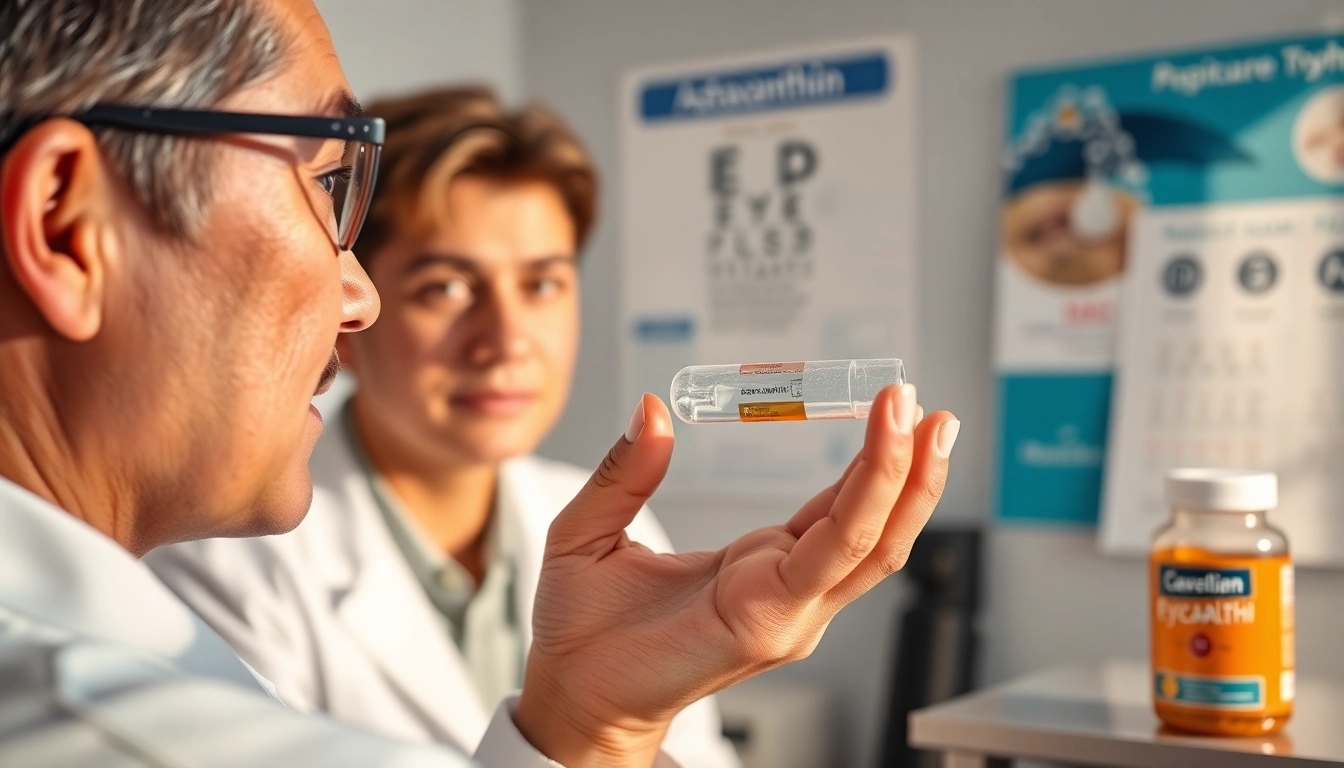
Introduction to Astaxanthin and Eye Health
Astaxanthin is often heralded as one of nature's most powerful antioxidants, and its potential benefits for various aspects of health are extensively researched. Among its most promising applications is in relation to eye health. As the eyes are susceptible to oxidative stress from environmental factors—such as UV rays and blue light—understanding does astaxanthin help eyes has become increasingly important to scientists and health enthusiasts alike.
What Is Astaxanthin?
Astaxanthin is a carotenoid pigment that not only gives certain algae, shrimp, and salmon their pink hue but also serves as a potent antioxidant. Derived from microalgae, astaxanthin is significantly more powerful than other carotenoids, such as beta-carotene and lutein. It possesses unique molecular structures that allow it to combat oxidative stress efficiently, making it a preferable supplement for various health conditions.
The Importance of Eye Health
Eye health holds considerable significance in overall wellness, particularly as many people face increased screen time and environmental light exposure. Conditions such as age-related macular degeneration (AMD), cataracts, and retinal damage are rising concerns in the population. Maintaining optimal eye health can significantly enhance quality of life, enabling individuals to engage fully in everyday activities and prevent long-term health complications.
Linking Astaxanthin to Eye Wellness
The connection between astaxanthin and eye wellness is significantly backed by scientific research. By absorbing harmful light wavelengths and reducing inflammation, astaxanthin has demonstrated the ability to protect against oxidative damage in the eyes. Many individuals are turning to this natural compound as a preventive measure in maintaining their long-term eye health.
The Science Behind Astaxanthin
Antioxidant Properties of Astaxanthin
Astaxanthin's antioxidant properties stem from its unique chemical structure, which allows it to neutralize free radicals more effectively than other antioxidants. It functions by quenching singlet oxygen, a reactive form of oxygen that can induce damage to cells and tissues. By mitigating oxidative stress, astaxanthin plays a crucial role in preserving cellular integrity within the eyes and protecting against various ocular conditions.
How Antioxidants Benefit Eye Health
Antioxidants are vital in preventing eye conditions by reducing oxidative stress and inflammation. Eye tissues are particularly susceptible to oxidative damage, given their high oxygen consumption and exposure to light. Antioxidants like astaxanthin help protect these tissues, improving visual acuity and potentially slowing the progression of age-related eye diseases. Regular intake of antioxidants is associated with improved overall eye health and reduced risk of degenerative diseases.
Exploring Clinical Studies
Several clinical studies substantiate the benefits of astaxanthin for eye health. Research has shown that astaxanthin supplementation can enhance visual acuity and reduce eye strain, particularly in individuals who spend long hours in front of screens. Other studies indicate that astaxanthin may help protect against AMD and improve microcirculation in the eyes, leading to better eye health outcomes. These findings highlight the need for more extensive research to solidify astaxanthin’s role in eye health.
Astaxanthin Sources and Forms
Natural Sources of Astaxanthin
Astaxanthin occurs naturally in various food sources, notably in marine life. Primary sources include salmon, shrimp, krill, and other seafood. Additionally, certain types of algae, like Haematococcus pluvialis, are rich in astaxanthin. Including these foods in your diet can enhance your astaxanthin levels and confer health benefits without the need for supplementation.
Supplementation Options
For individuals who may not get enough astaxanthin from dietary sources, supplementation is a viable option. Astaxanthin is available in various forms, including softgels, powders, and liquids. When choosing a supplement, it is essential to select high-quality products that provide bioavailable forms of astaxanthin for effective absorption in the body.
Dose Recommendations for Eye Benefits
While there is no one-size-fits-all dosage for astaxanthin, studies typically suggest a daily intake ranging from 4 to 12 mg. Consult a healthcare provider to determine the most suitable dosage based on individual needs and health conditions. Continuous monitoring and adjustments may be necessary to ensure optimal benefits for eye health.
User Experiences: Does Astaxanthin Help Eyes?
Real Testimonials and Case Studies
User experiences with astaxanthin often reveal positive outcomes regarding eye health. Many individuals report increased clarity in vision, reduced eye fatigue, and less discomfort from prolonged screen exposure. Testimonials highlight astaxanthin’s ability to alleviate symptoms associated with dry eyes and blurred vision, establishing its credibility among users and healthcare professionals.
Common Benefits Reported by Users
Common benefits noted by users of astaxanthin include enhanced visual acuity, reduced eye strain, and improved moisture levels in the eyes. Users often experience a reduction in redness and irritation, particularly in individuals who use digital devices extensively. These benefits promote a sharper and more comfortable visual experience for everyday activities.
Risks and Precautions to Consider
While astaxanthin is generally considered safe for most individuals, precautions should be taken. Potential side effects may include gastrointestinal discomfort or allergic reactions. Individuals who are pregnant, nursing, or have pre-existing health conditions should consult a healthcare provider before starting supplementation to ensure it is appropriate for their situation.
Integrating Astaxanthin Into Your Diet
Dietary Tips for Eye Health
Incorporating astaxanthin into your diet can be an enjoyable process. Consuming a variety of marine foods alongside a balanced diet rich in fruits and vegetables can maximize your intake of antioxidants beneficial for eye health. Omega-3 fatty acids, found in fish, also contribute positively to eye function, complementing the effects of astaxanthin.
Recipes Rich in Astaxanthin
To add astaxanthin to your meals, consider recipes such as grilled salmon with a side of leafy greens, shrimp stir-fry with colorful vegetables, or a smoothie with spirulina, another algae rich in antioxidants. These nutritious meals can promote eye health and overall well-being, providing a variety of beneficial compounds.
Maintaining Eye Health Beyond Supplements
While astaxanthin supplementation offers benefits, maintaining eye health entails a holistic approach. Regular eye examinations, protection against UV light, and adopting healthy screen habits play crucial roles. Incorporating regular exercise and a diet rich in vitamins and minerals can enhance the overall health of your eyes and reduce the risk of degenerative conditions.
Frequently Asked Questions
What is astaxanthin?
Astaxanthin is a powerful antioxidant carotenoid found in marine life and microalgae, known for its health benefits, particularly for eye health.
How does astaxanthin support eye health?
Astaxanthin protects the eyes from oxidative stress, reduces inflammation, and enhances visual acuity, potentially preventing age-related eye diseases.
Can I get enough astaxanthin from my diet?
Yes, including sources like salmon, shrimp, and algae in your diet can provide adequate astaxanthin, but supplementation may be necessary for optimal benefits.
Are there any side effects of astaxanthin?
Astaxanthin is generally safe, but some people may experience mild gastrointestinal discomfort or allergic reactions. Consult your physician if concerned.
How long before I see benefits from astaxanthin?
Benefits from astaxanthin may vary among individuals; some notice improvements within weeks while others may take longer. Consistency is key.