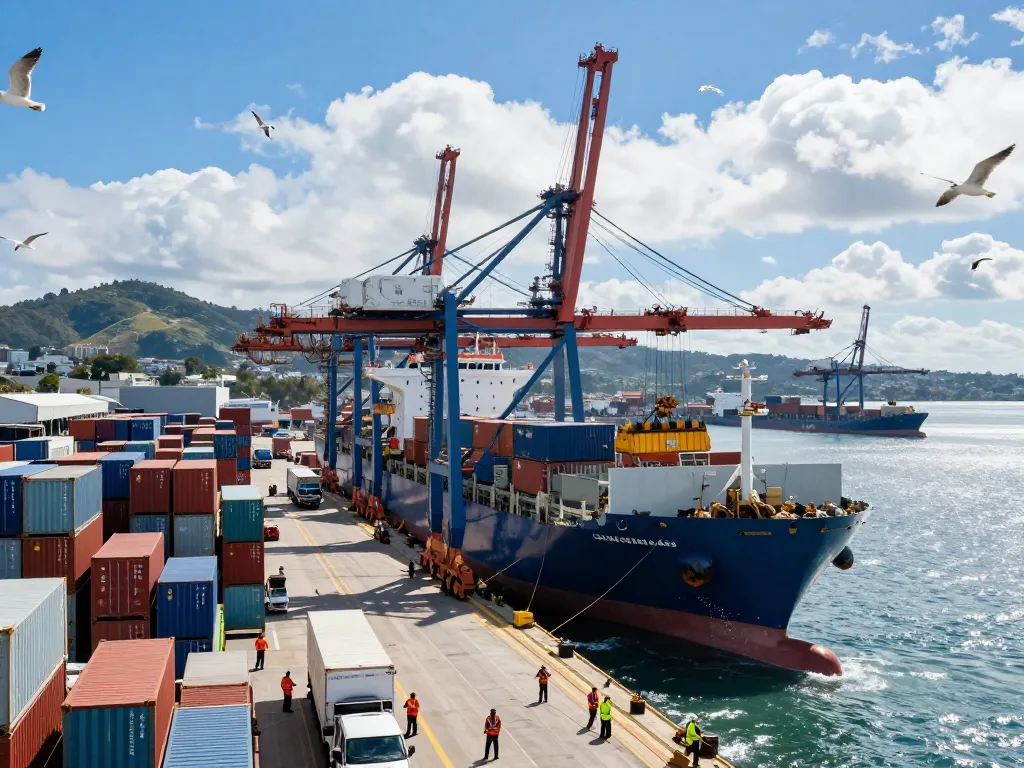
Understanding the Role of US Ports in Global Trade
The significance of US port in global trade cannot be overstated. As crucial gateways for international commerce, these ports facilitate the movement of goods, materials, and services across borders, thus playing a vital role in the economy. With the United States being one of the largest economies in the world, its ports are instrumental in supporting various industries and ensuring efficient supply chain operations. In this article, we will delve into the defining characteristics of major US ports, their economic impact, and the types of cargo they handle.
What Defines a Major US Port?
A major US port is typically characterized by its size, location, and capacity to handle significant volumes of cargo. These ports are often equipped with advanced infrastructure, including deep-water berths, extensive storage facilities, and sophisticated logistics systems. Additionally, factors like proximity to major transportation networks, such as highways and railroads, enhance their strategic importance. For instance, the Port of Los Angeles, recognized as America's Port®, is renowned for being the busiest seaport in the Western Hemisphere, processing millions of containers each year.
Economic Impact of US Ports
The economic impact of US ports extends beyond mere cargo handling. According to the Bureau of Transportation Statistics (BTS), American ports support over 31 million jobs and contribute significantly to the nation’s GDP. The ports not only enable trade but also stimulate local economies through job creation in logistics, transportation, and manufacturing industries. Furthermore, ports contribute to tax revenues that support infrastructure and public services. The interconnectedness of ports with regional economies illustrates their importance as economic engines, driving growth and innovation.
Types of Cargo Handled at US Ports
US ports cater to a diverse range of cargo types, including containerized goods, bulk commodities, and specialized cargo such as automobiles and heavy machinery. Containerized cargo is the most prevalent, with the increasing globalization of trade driving demand for efficient cargo handling. Major ports like the Port of Long Beach and the Port of New York and New Jersey specialize in handling large volumes of containers, making them pivotal points in international shipping routes. Additionally, ports handle bulk cargo like oil, coal, and agricultural products, which are crucial for various sectors of the economy.
Key US Ports to Watch in 2026
As global trade dynamics evolve, certain ports in the US are positioned to gain even greater prominence. These ports are adapting to trends in shipping, automation, and environmental sustainability, making them key players in the logistics sector.
Top Busiest US Ports by Tonnage
By tonnage, the busiest US ports in 2026 are forecasted to remain largely unchanged, dominated by the Port of Los Angeles and the Port of Long Beach. These ports handle vast amounts of containerized cargo, serving as critical points for imports and exports. The Port of Savannah is also making headlines with its growing capacity to accommodate larger vessels and increasing cargo volumes. An emphasis on modernization and efficiency continues to drive operations at these key ports.
Emerging Ports Gaining Traction
While established ports lead in tonnage, emerging ports such as the Port of Seattle and Port of Houston are gaining traction. These ports are investing in infrastructure upgrades and expanding their operational capabilities to attract more shipping lines. The Port of Seattle, with its strategic location and focus on sustainability, is attracting attention for its eco-friendly initiatives, while the Port of Houston continues to grow as a vital hub for energy exports.
Case Studies of Successful Port Operations
Several US ports have implemented innovative strategies that serve as models for successful operations. One notable example is the Port of Virginia, which has invested in cutting-edge technology to streamline cargo processing and logistics. The implementation of automated cranes and container tracking systems has improved efficiency, reduced turnaround time, and increased overall throughput. Another remarkable case is the Port of New York and New Jersey, which has fostered collaboration with various stakeholders to optimize supply chain dynamics and respond to evolving market demands effectively.
Challenges Facing US Ports Today
Despite the essential role of US ports in facilitating trade, they face a myriad of challenges that can impact their effectiveness and long-term viability. Addressing these challenges is crucial for maintaining the efficiency and competitiveness of the US logistics system.
Infrastructure Limitations and Upgrades
Many US ports struggle with aging infrastructure, which can hinder their capacity to handle modern shipping demands. Insufficient deep-water berths and outdated cargo handling equipment result in inefficiencies that can delay cargo movement. Ports like Charleston and Mobile are currently investing in enhancement projects to modernize their facilities, ensuring they can accommodate larger vessels and handle increased cargo volumes without compromising efficiency.
Environmental Concerns Affecting Port Operations
Environmental regulations and concerns are increasingly shaping port operations. With growing awareness about climate change, ports are under pressure to adopt more sustainable practices. Initiatives to reduce emissions from shipping activities and implement green technologies are essential for mitigating environmental impact. The Port of Los Angeles has taken significant strides towards sustainability by investing in alternative fuel technologies and energy-efficient systems to minimize its carbon footprint.
Regulatory and Compliance Challenges
Navigating complex regulatory frameworks poses additional challenges for US ports. Compliance with federal and state regulations on security, environmental protection, and labor can be cumbersome and costly. Ongoing changes to regulatory policies can create uncertainty, requiring ports to remain agile and responsive to new requirements while ensuring seamless operations.
Innovations Shaping the Future of US Ports
The future of US ports lies in their ability to adapt to technological advancements and evolving market needs. Innovations in port management and operations are paving the way for increased efficiency and competitiveness.
Technology Trends in Port Management
Technology is transforming port management, with innovations such as artificial intelligence (AI) and the Internet of Things (IoT) being integrated into operations. AI algorithms can predict vessel arrival times, optimize loading and unloading processes, and enhance supply chain visibility. Additionally, IoT devices allow for real-time tracking of cargo and equipment, providing valuable insights for decision-making.
Automation and Robotics in Cargo Handling
Automation is becoming increasingly prevalent in cargo handling operations. Robotic systems and automated guided vehicles (AGVs) are now being utilized to manage loading and unloading processes, which improves efficiency and reduces labor costs. Ports like the Port of Long Beach are at the forefront of these automation efforts, enhancing overall productivity and safety within the terminal.
Data Analytics for Improved Efficiency
Data analytics plays a crucial role in optimizing port operations. By analyzing historical data and real-time performance metrics, port authorities can identify bottlenecks and implement measures to streamline processes. Predictive analytics can help ports forecast demand patterns, enabling them to allocate resources more effectively and minimize downtime.
Strategies for Optimizing Port Operations in 2026
For ports to remain competitive in the fast-evolving logistics landscape, they must adopt strategic approaches that enhance operational efficiency and customer satisfaction.
Best Practices for Streamlined Logistics
Implementing best practices in logistics is essential for optimizing port operations. This includes fostering collaboration between shipping lines, freight forwarders, and customs brokers to enhance supply chain transparency and streamline process flow. Utilizing technology platforms for communication and data sharing can significantly reduce delays and improve overall responsiveness.
Collaborative Approaches in Supply Chain Management
Collaboration is key to success in supply chain management. Ports should engage with stakeholders across the logistics spectrum to align goals and improve efficiency. Joint ventures and partnerships can help address common challenges, share resources, and foster innovation. The Port of Seattle has exemplified this approach by working closely with local businesses and government entities to create a unified logistics ecosystem.
Future-proofing Your Port Strategies
To future-proof operations, ports must anticipate market trends and adapt accordingly. This includes investing in infrastructure that can accommodate larger vessels and diversifying cargo offerings to remain relevant in changing trade environments. Sustainability initiatives must also be prioritized as societal expectations evolve regarding environmental stewardship.
What are the busiest ports in the US?
The busiest ports in the US are ranked by tonnage, with the Port of Los Angeles leading, followed by the Port of Long Beach and the Port of New York and New Jersey. These ports handle a vast majority of containerized cargo entering the country and are essential for maintaining the supply chain.
How do US ports impact the economy?
US ports significantly impact the economy by facilitating trade, creating jobs, and generating tax revenues. Their strategic locations and capabilities make them central to international commerce, contributing to regional and national economic growth.
What innovations are transforming port operations?
Innovations such as automation, AI, and data analytics are transforming port operations. These technologies enhance efficiency, reduce costs, and improve overall responsiveness in cargo handling and logistics management.
How are environmental regulations affecting US ports?
Environmental regulations are compelling US ports to adopt sustainable practices and technologies. Compliance with these regulations requires investments in green initiatives, ultimately leading to significant operational changes in the way ports function.
What logistics strategies enhance port efficiency?
Strategies that enhance port efficiency include technology integration for real-time data tracking, collaborative supply chain management, and continuous improvement practices to optimize processes and reduce delays.