
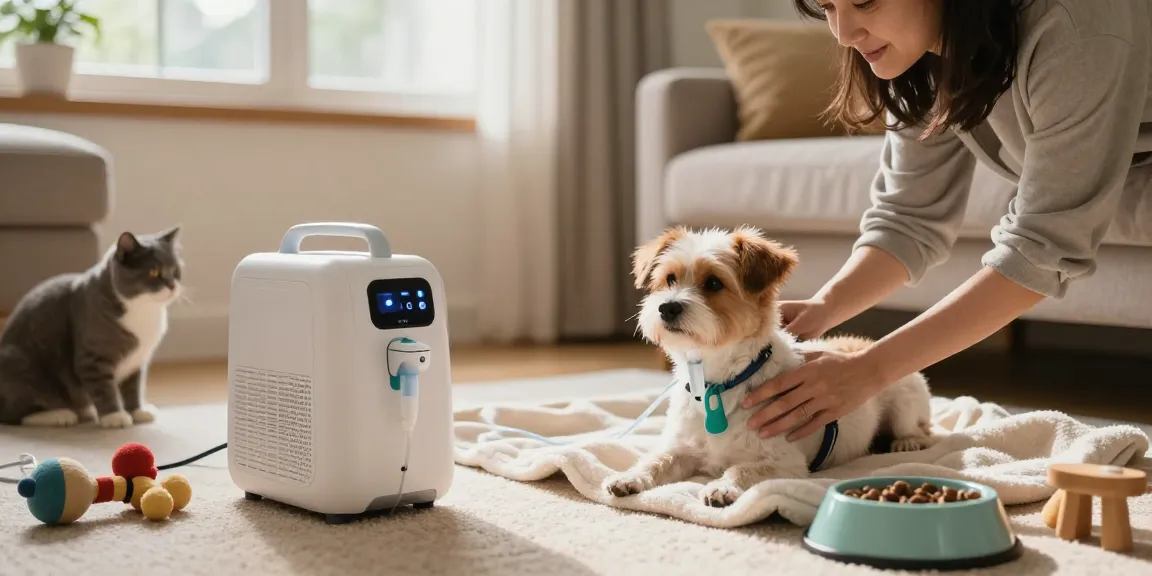
Understanding Pet Oxygen Machines
As pet owners, we often go to great lengths to ensure our furry friends are healthy and comfortable. One vital aspect of their health can be oxygen therapy, especially for pets suffering from respiratory conditions. Understanding how pet oxygen machines work, their benefits, and how to select the right one for your pet is crucial. When exploring options, 了解寵物氧氣機選擇 is essential for pet owners aiming to provide the best care possible.
What is a Pet Oxygen Machine?
A pet oxygen machine is a specially designed device that delivers concentrated oxygen to pets in need. These machines are often used for animals suffering from respiratory illnesses, congestive heart failure, or other conditions that necessitate increased oxygen intake. By providing supplemental oxygen, these machines aim to enhance the pet’s breathing quality and overall well-being.
How Does Oxygen Therapy Help Pets?
Oxygen therapy can be a game-changer for pets experiencing difficulty breathing. The primary function of these machines is to increase the oxygen levels in the blood, thereby improving cellular oxygenation. This therapy is especially beneficial for:
- Pets with chronic respiratory diseases such as asthma or bronchitis.
- Animals recovering from surgery or trauma.
- Senior pets with weakened lungs or other age-related conditions.
Key Features to Look For
When considering a pet oxygen machine, it is vital to evaluate several key features. Look for machines that offer adjustable oxygen flow rates, are portable for ease of movement, and are quiet during operation to ensure your pet’s comfort. Additionally, inspect the machine’s safety features, such as automatic shut-off systems and alarms for low oxygen levels.
Choosing the Right Pet Oxygen Machine
Choosing the right oxygen machine for your pet involves understanding their specific needs and how various machine features align with those requirements. Key factors include the size and breed of your pet, the specific medical conditions that need to be addressed, and your lifestyle.
Factors to Consider for Your Pet’s Needs
Before investing in a pet oxygen machine, consider consulting a veterinarian who can provide guidance tailored to your pet’s medical condition. Here are some critical factors to consider:
- Size and Breed: Different breeds and sizes may require different oxygen flow rates and machine types. Smaller pets might need portable models, while larger animals may benefit from larger stationary units.
- Oxygen Flow Rate: Ensure the machine can deliver the appropriate oxygen flow rate suitable for your pet’s specific needs. Generally, a rate between 1-5 L/min is common depending on the condition.
- Ease of Use: Look for machines that are user-friendly and come with clear instructions for setup and operation.
Weight and Portability: What Matters?
The weight and portability of the oxygen machine are essential, especially if you plan to take your pet out or travel. Handheld and portable machines offer flexibility, allowing you to provide oxygen therapy wherever needed. On the other hand, stationary models tend to offer more features and might be suitable for home use.
Understanding Oxygen Concentration Levels
A critical aspect of pet oxygen machines is their ability to deliver high concentrations of oxygen. Machines should ideally provide at least 90% oxygen concentration. Always check the specifications and ensure the machine is certified for veterinary use to guarantee safety and efficacy.
Rental vs. Purchase: What is Best for You?
When determining whether to rent or purchase a pet oxygen machine, it’s essential to weigh the pros and cons of each option. This decision would largely depend on your pet’s condition, the expected duration of treatment, and your budget.
Comparing Costs: Renting vs. Buying
Renting a pet oxygen machine can be a more affordable initial option, especially if your pet requires temporary therapy. Rental prices typically range from $100 to $400 per month, depending on the model and features. Purchasing a machine may require a higher upfront cost, but could be economical in the long term if your pet needs ongoing treatment.
Understanding the Rental Terms and Conditions
Before enrolling in a rental plan, ensure you understand the terms and conditions thoroughly. Look for flexibility in rental agreements, including the ability to adjust your plan based on your pet’s changing needs.
Long-Term vs. Short-Term Needs
Evaluate whether your pet will need long-term oxygen therapy or if the condition may resolve shortly. For shorter duration needs, renting might suffice. However, for chronic conditions, investing in a purchase could provide better value over time.
Accessories for Pet Oxygen Machines
Using a pet oxygen machine effectively often requires additional accessories. These can enhance the treatment process and improve comfort for your pet.
Essential Accessories for Effective Therapy
Accessories can include various types of oxygen masks, nasal cannulas, and connecting tubes. Here are a few essentials you should consider:
- Oxygen Masks: Masks designed specifically for pets are essential for effectively delivering concentrated oxygen. Ensure you select the appropriate size to avoid discomfort.
- Nasal Cannulas: These are useful for providing oxygen directly to your pet without the need for masks, making them ideal for some pets who may resist wearing a mask.
- Tubing: Find high-quality, medical-grade tubing compatible with your oxygen machine to ensure efficient delivery.
How to Choose the Right Oxygen Masks and Tubing
When selecting masks and tubing, ensure they are designed for veterinary use and appropriately sized for your pet. Consult product reviews and ensure that the materials used are safe and hypoallergenic to prevent any adverse reactions.
Maintaining Your Equipment: Tips and Tricks
Regular maintenance of your pet’s oxygen equipment is crucial for ensuring they work efficiently. Always follow the manufacturer guidelines for cleaning and maintenance. Here are some quick tips:
- Regularly check and replace any filters or tubing as needed to prevent blockages.
- Ensure all connections are secure to maintain optimal oxygen flow.
- Schedule routine inspections to check for any malfunctions.
Frequently Asked Questions on Pet Oxygen Machines
Many pet owners have questions when considering oxygen therapy for their pets. Here are some commonly asked questions and the answers to help guide you.
What are the signs my pet needs oxygen therapy?
Signs that your pet may require oxygen therapy include labored breathing, lethargy, a bluish tint to the gums or tongue, and coughing. Always consult with a veterinarian if you observe these symptoms.
Can I use a human oxygen machine for my pet?
Using a machine specifically designed for veterinary purposes is recommended. Human oxygen machines may not provide the same flow rates or safety measures required for pets.
How often should I provide oxygen therapy?
The frequency of oxygen therapy can vary based on your pet’s condition and your veterinarian’s recommendations. Some pets may need continuous therapy, while others may require it only during specific times.
Is it safe to use oxygen therapy at home?
Oxygen therapy can be safe at home as long as instructions are followed carefully and safety precautions are in place. Always monitor your pet closely and consult a veterinarian if you have any concerns.
What are common mistakes when using oxygen machines for pets?
Common mistakes include using the wrong oxygen flow rate, neglecting to monitor your pet during therapy, and failing to maintain the equipment properly. Always follow proper guidelines to ensure a safe experience for your pet.