
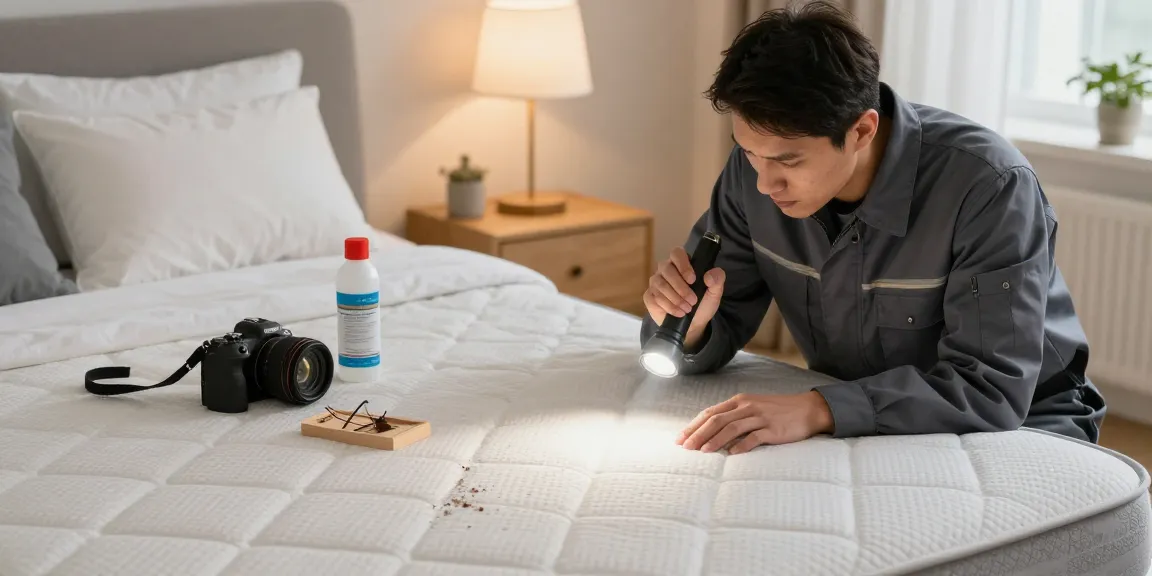
Understanding the Importance of Bed Bug Pest Control
Bed bugs are more than just a nuisance; they can significantly impact your quality of life by disrupting your sleep and causing anxiety. These pests are experts at hiding and can reproduce rapidly, leading to larger infestations if not addressed promptly. For homeowners and renters alike, understanding the importance of bed bug pest control is essential. This guide breaks down what bed bug pest control entails, why early detection is vital, and how to spot signs of an infestation before it spirals out of control.
What is Bed Bug Pest Control?
Bed bug pest control involves a systematic approach to identify, remove, and prevent bed bugs from inhabiting your space. It typically includes inspection, treatment, and follow-up measures to ensure the pests do not return. Professionals use a combination of chemical treatments, heat application, and preventive strategies tailored to the severity of the infestation.
Why Early Detection is Crucial
Detecting a bed bug infestation early is critical. The longer bed bugs are allowed to thrive, the more difficult and costly they become to eliminate. Early detection can prevent the potential spread to other areas of your home or even to neighboring units if you live in an apartment. Moreover, it means avoiding extensive property damage and the financial burden associated with it.
Common Signs of Bed Bug Infestation
- Itchy Bites: Bed bug bites often appear in clusters or lines on the skin.
- Blood Stains: Small red or brown stains may be found on bedding or mattresses.
- Dark Spots: Fecal matter from bed bugs can create dark spots on surfaces.
- Shell Casings: As bed bugs mature, they shed their skin, which can be found near hiding spots.
Effective Strategies for Bed Bug Management
Managing bed bugs requires a multifaceted approach that combines prevention, early detection, and effective treatment. Whether you’re a homeowner or a business owner, understanding the most effective strategies can help you stay ahead of these pests.
Preventive Measures for Homeowners
- Regular Inspections: Frequently check common hiding spots such as mattresses, cracks in furniture, and behind baseboards.
- Travel Precautions: Inspect luggage and clothing after traveling to avoid bringing bed bugs home.
- Declutter: Keep living spaces tidy to reduce hiding spots for bed bugs.
- Protective Covers: Use bed bug-proof mattress and pillow encasements.
Professional vs. DIY Bed Bug Pest Control
While there are numerous DIY methods for bed bug eradication, such as heat treatments and natural repellents, professional services are generally recommended for severe infestations. Professionals possess the necessary training, equipment, and products that are more effective at eliminating bed bugs compared to standard household methods.
The Role of Heat Treatments and Chemicals
Heat treatment and chemical spray are two primary methods of bed bug extermination. Heat treatment raises the temperature in your home to levels lethal for bed bugs, effectively killing them at all life stages. On the other hand, chemical treatments provide a residual barrier that continues to protect against future infestations. Combining both methods often yields the best results.
How to Choose a Bed Bug Extermination Service
Choosing the right extermination service is critical for effectively handling a bed bug problem. Not all pest control companies offer the same level of service or expertise. It’s essential to evaluate potential candidates carefully.
Evaluating Pest Control Companies
- Experience: Look for companies with a proven track record in bed bug extermination.
- Certifications: Ensure the company is licensed and certified by professional pest control organizations.
- Reviews: Read customer testimonials and reviews to assess satisfaction levels.
Questions to Ask Your Exterminator
When interviewing potential pest control services, consider asking the following questions:
- What methods do you use for bed bug extermination?
- How long will the treatment take?
- What preparations do I need to make before treatment?
- What follow-up services do you offer?
Understanding Treatment Plans and Costs
Costs for bed bug treatment can vary widely based on the severity of the infestation, the type of treatment used, and the size of the property. It’s critical to understand the breakdown of costs for both initial treatments and follow-up visits. A reputable pest control company should provide a clear and detailed estimate before starting any work.
Case Studies: Successful Bed Bug Extermination
Real-life examples serve to illustrate the effectiveness of various bed bug extermination methods and can provide insight into what clients can expect during the treatment process.
Real-Life Examples of Effective Treatments
A recent case study highlighted an apartment complex where residents faced significant bed bug challenges. After a thorough inspection, a combination of heat treatment and chemical sprays was implemented, leading to a successful eradication within weeks. Residents reported no sign of bed bugs in the follow-up surveys conducted three months post-treatment.
Lessons Learned from Past Infestations
Each infestation teaches valuable lessons about prevention, detection, and extermination. For instance, timely reporting of bites and visual signs can lead to quicker interventions, making eradication significantly easier and less costly.
Customer Testimonials and Their Impact
Client feedback can significantly influence the reputation of pest control companies. Positive testimonials often underline the effectiveness of treatment plans and the professionalism of the staff, while negative reviews can highlight gaps that potential clients should consider.
Future Trends in Bed Bug Pest Control
The pest control industry is continuously evolving, with new technologies and methods emerging to combat bed bugs more effectively. Staying informed about these trends can help both pest control professionals and homeowners keep ahead of potential infestations.
Technological Advancements in Pest Management
Innovations such as thermal remediation equipment, which allows for faster and more efficient heat treatments, are becoming more common. Additionally, the use of smart technology for monitoring infestations has gained traction, providing real-time information on pest presence.
Predicted Changes in Pest Control Regulations
As awareness of bed bug issues increases, changes in regulations may influence how pest control companies operate. Stricter guidelines regarding pesticide use and safety are expected, emphasizing eco-friendly treatments and methods.
Emerging Best Practices for Homeowners
Homeowners should stay proactive by incorporating bed bug prevention into their routine. This includes regular inspections, using protective covers, and understanding the best protocols for managing bedding and traveling to prevent introducing these pests into their homes.
What Should You Do If You Have Questions?
If you have concerns about potential infestations or treatment options, reaching out to a professional pest control service is advisable. Many companies offer free consultations that can help clarify your situation.
How Often Should You Schedule Inspections?
Regular inspections are recommended, particularly in high-traffic areas or environments with a high turnover of visitors. For residential spaces, an annual inspection is typically advisable, while commercial spaces may require more frequent evaluations.
Can Bed Bugs Reappear After Treatment?
Yes, bed bugs can reappear if they are brought in from infested areas or if the treatment was not thorough. Following recommendations from pest control professionals about follow-up treatments and monitoring is vital for long-term success.
What Are the Long-Term Effects of Infestations?
Beyond the immediate discomfort of bites, bed bug infestations can lead to anxiety, stress, and financial strain due to treatment costs and potential property damage. Addressing infestations promptly can mitigate these effects.