Understanding Diesel Generators: Functionality and Applications
Diesel generators are a crucial component in various sectors, providing reliable and efficient power solutions for numerous applications. Their robustness, longevity, and ability to generate substantial power make them an industry favorite, particularly where electrification may be challenging or inconsistent. When exploring options, Diesel generators offer insights into how to choose the best generator for specific needs, making them an invaluable resource for businesses and homes alike.
What is a Diesel Generator?
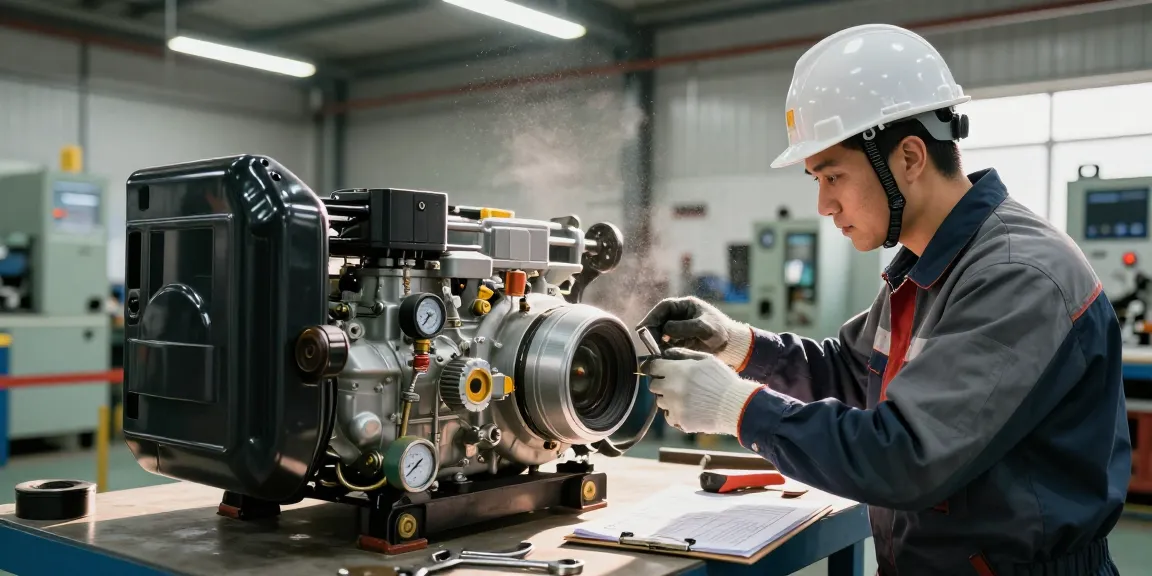
A diesel generator is essentially a combination of a diesel engine and an electric generator (often an alternator). It converts diesel fuel into mechanical energy, which is then transformed into electrical energy. These generators are favored for their fuel efficiency, ease of maintenance, and superior power output. They are specifically designed to provide backup power when there is a grid failure and are also used in remote locations where access to electricity is limited.
Common Uses of Diesel Generators in Industry
Diesel generators serve multiple purposes across various industries. Their reliability is utilized in:
- Construction Sites: Providing power for tools and equipment on job sites where portable access to electricity is needed.
- Healthcare Facilities: Ensuring that critical equipment remains operational during power outages.
- Telecommunications: Facilitating uninterrupted power supply for cell towers and data centers.
- Agriculture: Supporting irrigation systems and machinery in remote farming areas.
Advantages of Diesel Generators Over Other Power Sources
Diesel generators hold several advantages compared to other power sources, such as gasoline or propane generators:
- Fuel Efficiency: Diesel fuel has a higher energy density which translates to lower operational costs.
- Durability: Designed to handle demanding workloads, diesel engines tend to last longer than their gasoline counterparts.
- Power Output: Diesel generators can produce significant power output, suitable for industrial applications.
- Safety: Diesel fuel is less volatile than gasoline, reducing fire risks.
Choosing the Right Diesel Generator for Your Needs
Selecting the appropriate diesel generator entails understanding your power requirements and the specific features that best meet your needs. Here are essential factors to consider:
Factors to Consider When Selecting Diesel Generators
When evaluating diesel generators, consider the following:
- Power Needs: Determine the wattage required for your applications.
- Size and Portability: Assess if a stationary or a portable unit is more suitable for your setting.
- Noise Levels: Look for models that provide quieter operation, especially for residential areas.
- Manufacturer Reputation: Research brands known for reliability and service support.
Understanding Power Ratings and Output Requirements
Power ratings are typically expressed in kilowatts (kW). Before purchase, ensure that the generator can handle starting and running loads. For instance, equipment like refrigerators requires higher starting power. Understanding these ratings can prevent generator overload and ensure efficiency.
Customizing Diesel Generators for Specific Applications
Customization options are available for diesel generators to better serve specific applications. For example, you might need additional features such as:
- Automatic Transfer Switch: Allows for seamless switching from grid to generator power.
- Control Panels: For enhanced monitoring and operational management.
- Weatherproof Enclosures: Essential for outdoor installations to protect against the elements.
Maintenance Best Practices for Diesel Generators
Routine maintenance is vital for ensuring longevity and reliability in diesel generators. Here are best practices to follow:
Routine Maintenance Tasks to Ensure Longevity
Regular servicing can significantly extend the life of your generator. Key maintenance tasks include:
- Oil Changes: Change the oil regularly based on operating hours and the manufacturer’s recommendations.
- Filter Replacements: Replace air, fuel, and oil filters to maintain efficiency.
- Battery Checks: Ensure batteries are charged and terminals are free from corrosion.
Common Issues and Troubleshooting Tips
Some common issues may arise with diesel generators. They include:
- Starting Problems: Often caused by battery issues or faulty glow plugs.
- Fuel Contamination: Regularly check fuel quality to prevent engine damage.
- Excessive Noise: Inspect mounts and enclosures for damage or misalignment.
Signs Your Diesel Generator Needs Professional Help
Be vigilant for signs that your generator may require professional attention, such as:
- Strange Noises: Any unusual sounds can indicate mechanical issues.
- Frequent Overheating: Continuous overheating can lead to serious engine damage.
- Inefficiency: A marked decrease in performance may signal a need for inspection.
Innovative Trends in Diesel Generator Technology for 2026
The diesel generator industry continues to evolve with emerging technologies aimed at improving efficiency and sustainability.
Emerging Technologies Enhancing Diesel Generator Efficiency
Innovations such as digital control systems and predictive maintenance technologies are enhancing the operational efficiency of diesel generators. These technologies enable better monitoring, allowing for proactive maintenance and reducing downtime.
Adapting Diesel Generators for Sustainability
Environmental concerns are pushing manufacturers to adapt diesel generators for a more sustainable future. This includes:
- Hybrid Systems: Combining diesel with renewable energy sources like solar.
- Emission Reduction Technologies: Implementing advanced filtration and exhaust systems.
Future Developments in Diesel Generator Power Solutions
Anticipated developments in diesel generators for the coming years include enhanced fuel efficiency and further integration of IoT for smart grid interactions. These innovations aim to create more resilient and responsive power systems.
Real-World Case Studies: Successful Implementation of Diesel Generators
Examining real-world applications can provide valuable insights into the successful implementation of diesel generators.
Case Study: Diesel Generators in Emergency Backup Scenarios
In various sectors, diesel generators have proven essential in emergency backup scenarios, particularly hospitals where continuous power supply is non-negotiable. Case studies illustrate how these generators facilitated smooth operations during grid failures.
Case Study: Industrial Applications and Performance Metrics
Industries, especially manufacturing, have effectively utilized diesel generators to maintain productivity during power outages. Performance metrics have shown that companies using reliable diesel generators report significantly less downtime.
Lessons Learned from Diesel Generator Failures and Successes
Analysis of diesel generator failures often reveals that proper maintenance and timely upgrades can prevent outages and ensure reliability. Learning from past experiences helps organizations enhance their backup power strategies.
What are the environmental impacts of diesel generators?
While diesel generators are reliable, they produce greenhouse gas emissions. Innovations are focusing on reducing these impacts through cleaner fuel options and advanced emission controls.
How much maintenance do diesel generators require?
Diesel generators require regular maintenance, typically on a quarterly basis, to ensure optimal performance and reduce the likelihood of failures.
Can diesel generators be used for home backup power?
Absolutely, diesel generators are an excellent choice for home backup power, especially for larger homes or essential systems that require uninterrupted energy supply.
What features should I look for in a diesel generator?
When selecting a diesel generator, consider features such as fuel capacity, noise level, automatic transfer switches, and warranty options to ensure you make an informed decision.
How do diesel generators compare in cost to other fuel types?
Diesel generators often have higher initial costs compared to gasoline or propane but are more cost-effective in the long run due to lower fuel costs and durability.. Additionally, diesel genset provides further details.